Low-Cholesterol Smoothie Recipes: Your Guide to Heart-Healthy Beverages
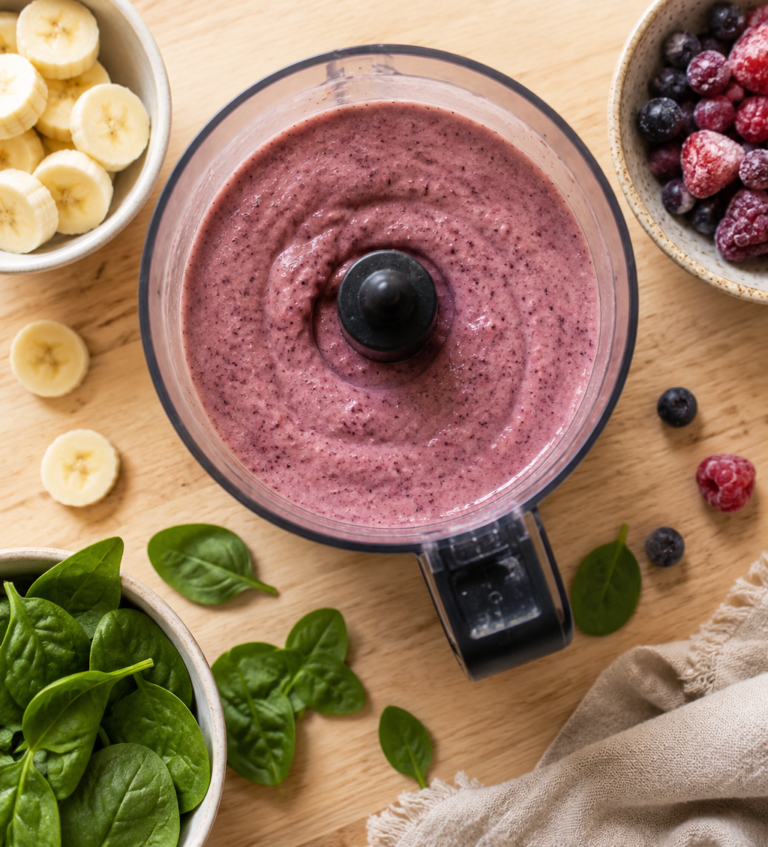
Welcome to your guide to heart-healthy beverages! This collection of low-cholesterol smoothie recipes has been carefully curated to provide delicious, nutrient-rich options for those aiming to maintain a cholesterol-friendly diet. Not only are these smoothies refreshing and easy to make, but they also integrate ingredients known for their cholesterol-lowering properties. Embark on this flavorful journey, knowing each sip brings you closer to better heart health!
As an Amazon Associate, I earn from qualifying purchases and sometimes recommend products from other sellers at no extra cost to you. For more details see my disclosure policy and privacy policy.
The Importance of Low-Cholesterol Diet
Maintaining a low-cholesterol diet is crucial to promoting heart health and preventing cardiovascular diseases. Cholesterol, particularly the ‘bad’ LDL-cholesterol, can build up in the bloodstream and form plaques in the arteries, leading to conditions such as atherosclerosis, heart attacks, and strokes. A diet rich in whole grains, fruits, vegetables, lean proteins, and healthy fats can help to keep cholesterol levels in check.
Additionally, specific foods and ingredients, like oatmeal, fatty fish, nuts, and seeds, are known for their cholesterol-lowering properties. Integrating these into your daily diet, such as through our curated smoothie recipes, can provide a tasty and convenient way to manage your cholesterol and support overall heart health.
The Role of Smoothies in a Heart-Healthy Diet
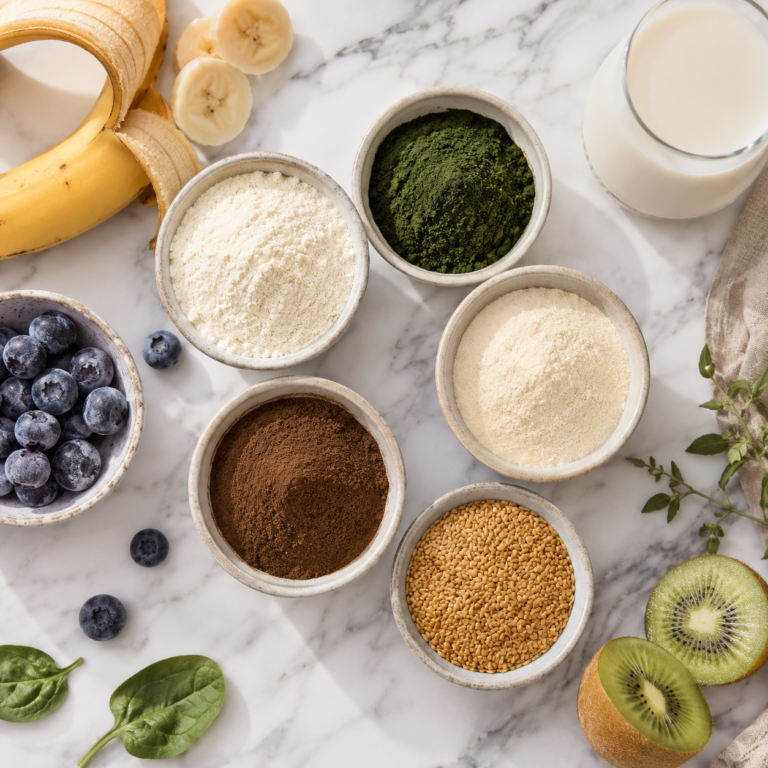
Smoothies play an integral role in a heart-healthy diet due to their versatility and ease of nutrient inclusion. These blended beverages provide a convenient platform for incorporating a variety of cholesterol-lowering ingredients into your daily diet. Ingredients such as oatmeal, chia seeds, flaxseeds, and certain berries can be easily integrated into smoothies, offering not just exceptional flavor but also a potent dose of heart-healthy compounds.
Furthermore, the use of plant-based milk substitutes like almond or oat milk can help reduce intake of saturated fats that contribute to high cholesterol. In a nutshell, smoothies make it easy to consume a diversified range of health-promoting nutrition in a single, delicious serving.
Understanding Cholesterol and Its Impact on Health
Cholesterol is a waxy, fat-like substance that plays a vital role in many bodily functions. However, too much cholesterol in the blood can become problematic and pose significant health risks. It’s important to understand that not all cholesterol is harmful. There are two main types: LDL (low-density lipoprotein), also known as “bad” cholesterol, and HDL (high-density lipoprotein), or “good” cholesterol. LDL cholesterol can accumulate in the walls of your arteries and form plaques, leading to a condition known as atherosclerosis, increasing the risk of heart disease and stroke.
Conversely, HDL cholesterol has a protective effect as it carries LDL cholesterol away from the arteries back to the liver, where it’s broken down and eliminated from the body. Balancing the levels of LDL and HDL cholesterol is crucial for maintaining heart health. Diet plays a critical role in this balance, reinforcing the importance of incorporating heart-healthy, low-cholesterol foods and beverages, such as our curated smoothies, into your daily regimen.
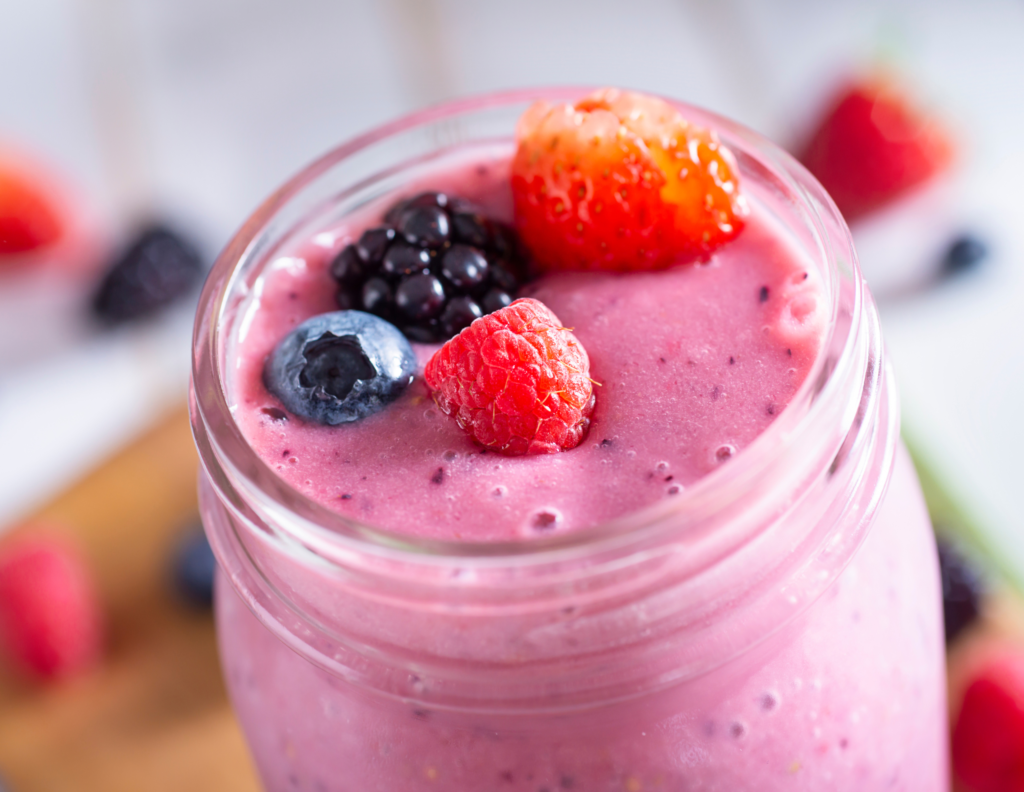
Good Cholesterol vs. Bad Cholesterol
While it’s essential to understand that cholesterol plays a fundamental role in our body’s functions — including hormone production, digestion, and the creation of Vitamin D — not all cholesterol is created equal. There are two primary types of cholesterol: HDL, often dubbed the “good” cholesterol, and LDL, commonly referred to as the “bad” cholesterol.
HDL cholesterol is considered “good” because it functions to transport other types of cholesterol from your arteries back to your liver. On the other hand, LDL cholesterol is tagged as “bad” as it tends to deposit in the walls of blood vessels, leading to a buildup of plaques, narrowing the arteries, and elevating the risk of heart disease and stroke.
Therefore, an ideal cholesterol profile would consist of low LDL cholesterol and high HDL cholesterol levels. By incorporating nutrient-packed, low-cholesterol foods and beverages like the smoothies featured in this guide, you can help manage and optimize your cholesterol levels, contributing to a healthier heart and a lower risk of cardiovascular disease.
How High Cholesterol Affects the Body
High cholesterol primarily affects the body by contributing to the hardening and narrowing of the arteries, a condition known as atherosclerosis. This occurs when excess LDL cholesterol builds up in the artery walls, forming plaques. These plaques can reduce blood flow, leading to decreased oxygen supply to vital organs like the heart and brain. If a plaque ruptures, it can cause a blood clot, potentially leading to life-threatening conditions such as heart attacks and strokes.
High cholesterol also puts a strain on the liver, which is responsible for cholesterol production and elimination. Over time, this can lead to liver diseases. Therefore, it’s paramount to maintain healthy cholesterol levels, and dietary choices, including nutrient-rich, low-cholesterol smoothies, can play a vital role in achieving this.
Ingredients to Include in Low-Cholesterol Smoothies
Fruits
Fruits are an essential component of low-cholesterol smoothies due to their rich assortment of vitamins, fiber, and antioxidants.
- Berries: Blueberries, strawberries, raspberries, and blackberries are packed with antioxidants and fiber, which help lower LDL cholesterol.
- Avocados: This creamy fruit is rich in heart-healthy monounsaturated fats that can boost your HDL cholesterol levels.
- Citrus fruits: Oranges, grapefruits, lemons, and limes are high in soluble fiber and vitamin C, both known to lower LDL cholesterol.
- Apples: Apples are rich in pectin, a type of fiber that can reduce cholesterol levels.
- Bananas: An excellent source of heart-healthy potassium and fiber, bananas can add creaminess to your smoothie while aiding in cholesterol control.
- Pears: Pears contain a high amount of fiber which can help to lower LDL cholesterol.
Vegetables
Vegetables also play a key role in crafting low-cholesterol smoothies. They offer a wealth of nutrients that can help control your cholesterol levels.
- Spinach: This leafy green is full of lutein, a pigment found in dark green vegetables that’s been shown to help reduce LDL cholesterol levels.
- Kale: Kale, like spinach, is high in lutein and fiber, and also boasts a wide array of antioxidants.
- Carrots: High in soluble fiber, carrots can help to lower your LDL cholesterol levels.
- Beets: These vibrant root vegetables are packed with heart-healthy nutrients and fiber, helping to lower total cholesterol.
- Cucumbers: Low in calories and high in vitamins and minerals, cucumbers add a refreshing touch to your smoothies.
- Celery: Celery is a good source of antioxidants, vitamins, and minerals that can contribute to lowering cholesterol levels.
Seeds & Nuts
Seeds and nuts are yet another category of ingredients that add both flavor and nutritional value to your low-cholesterol smoothies. They are packed with healthy fats, protein, fiber, and various important nutrients.
- Chia Seeds: These tiny seeds are a powerhouse of nutrients, including fiber and omega-3 fatty acids, both of which can help lower LDL cholesterol.
- Flaxseeds: Flaxseeds are rich in heart-healthy fats and fiber that can lower LDL cholesterol.
- Almonds: Known for their high monounsaturated fat content, almonds can help raise HDL cholesterol and lower LDL cholesterol.
- Walnuts: Walnuts are an excellent source of omega-3 fatty acids that contribute to heart health by reducing overall cholesterol levels.
- Hemp Seeds: Hemp seeds are packed with protein and heart-healthy omega-3s.
- Pumpkin Seeds: Also known as pepitas, pumpkin seeds are filled with antioxidants and a rich source of magnesium, which is beneficial for heart health.
Dairy Alternatives
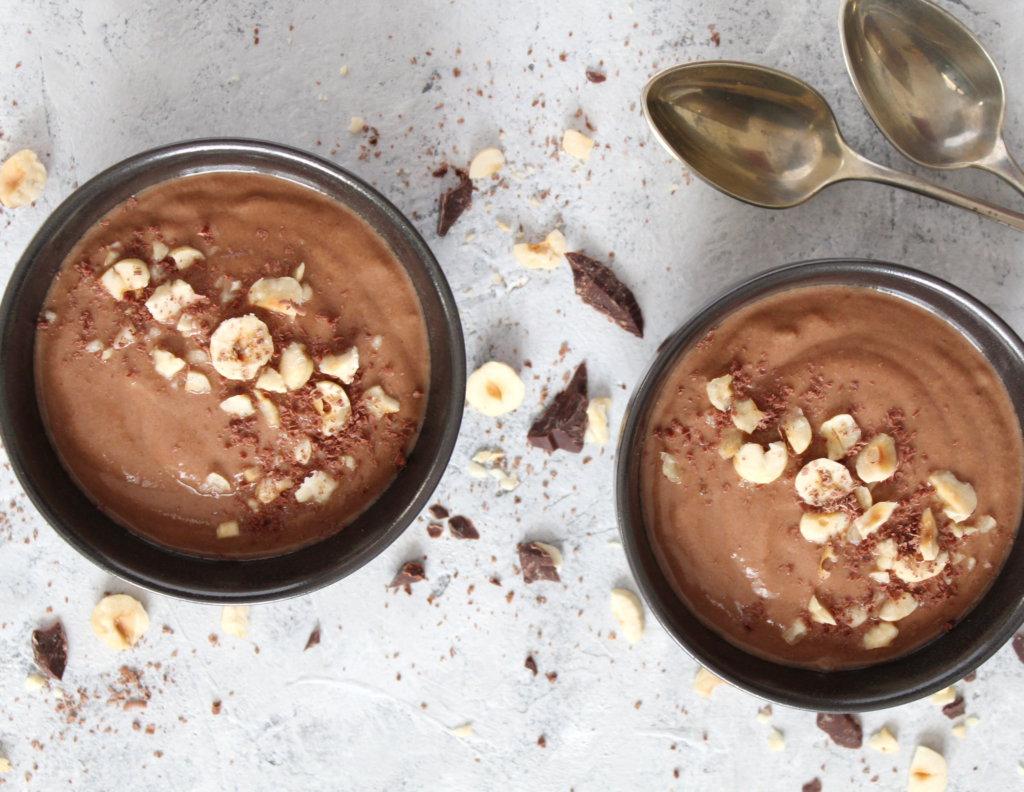
Dairy alternatives are excellent for those who are lactose intolerant, vegan, or simply wish to reduce their cholesterol intake. Here are some dairy alternatives that can provide creaminess to your smoothies without adding unwanted cholesterol.
- Almond Milk: Low in calories and high in calcium, almond milk is a great choice for your smoothies. Almonds are known to help raise HDL cholesterol and lower LDL cholesterol, which makes their milk a heart-healthy choice.
- Oat Milk: Oat milk has a naturally sweet, mild flavor that blends well in smoothies. Plus, oats are rich in beta-glucans, a type of fiber that can lower LDL cholesterol levels.
- Soy Milk: Soy milk is protein-rich and contains isoflavones, compounds that may help to lower LDL cholesterol.
- Coconut Milk: While higher in calories, coconut milk offers a creamy and tropical flavor to your smoothies. However, it’s best used in moderation due to its saturated fat content.
- Cashew Milk: Creamy and rich, cashew milk adds a delightful thickness to your smoothies. Cashews are rich in monounsaturated fats, which are beneficial for heart health.
- Rice Milk: The most hypoallergenic of all the milk substitutes, rice milk is a safe choice for those with allergies or food sensitivities. It has a naturally sweet taste and is relatively low in fat.
Easy and Delicious Low-Cholesterol Smoothie Recipes
Green Detox Smoothie
This Green Detox Smoothie is loaded with nutrient-rich fruits and veggies, perfect for a refreshing start to your day or a midday boost.
Ingredients:
- 1 cup spinach
- 1/2 ripe avocado
- 1 medium banana
- 1/2 cup chopped cucumber
- 1/2 cup pineapple chunks
- 1 tablespoon chia seeds
- 1 tablespoon fresh lemon juice
- 1 cup almond milk
Instructions:
- Place all the ingredients in a blender and blend until smooth and creamy.
- Taste the smoothie and add more almond milk if it’s too thick or add a sweetener of your choice if needed.
- Pour into a glass, garnish with a slice of cucumber or a sprinkle of chia seeds, if desired, and enjoy!
This smoothie is not only delicious but is also beneficial for your heart and overall health, thanks to its low cholesterol and high fiber content.
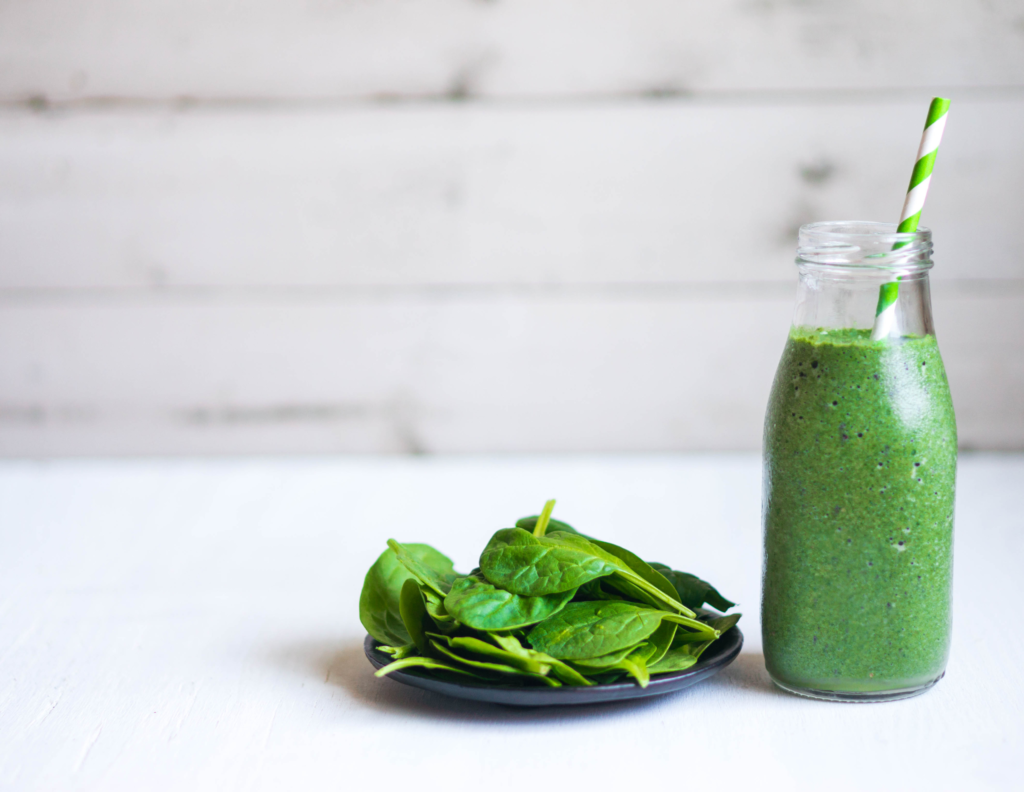
Berry Bliss Smoothie
The Berry Bliss Smoothie is a vibrant blend of healthful berries and seeds, a perfect combination of taste and nutrition, aiding in cholesterol control.
Ingredients:
- 1 cup mixed berries (blueberries, strawberries, raspberries)
- 1 medium banana
- 1 tablespoon flaxseeds
- 1 tablespoon chia seeds
- 1 cup almond milk
Instructions:
- Add all the ingredients into a blender.
- Blend on high until you achieve a smooth and creamy texture.
- Pour the smoothie into a glass, and if desired, garnish with a few whole berries or a sprinkle of chia seeds.
- Serve immediately and enjoy the delightful burst of flavors!
The Berry Bliss Smoothie, rich in antioxidants and fiber, is an excellent choice for those who seek to maintain low cholesterol levels while not compromising on taste. It’s a great way to start your day or refresh your afternoons.
Tropical Paradise Smoothie
The Tropical Paradise Smoothie is a delectable blend of tropical fruits and dairy alternatives, infusing an exotic twist to your daily nutrition regimen. This smoothie is fantastic for maintaining low cholesterol levels while satisfying your sweet tooth.
Ingredients:
- 1 cup pineapple chunks
- 1/2 cup mango chunks
- 1 medium banana
- 1 tablespoon chia seeds
- 1/2 cup coconut milk
Instructions:
- Combine all the ingredients in a blender.
- Blend until you achieve a smooth, creamy consistency.
- Pour the smoothie into a glass, garnish with a slice of pineapple or a sprinkle of chia seeds if desired.
- Serve immediately and enjoy the tropical getaway in every sip!
This Tropical Paradise Smoothie is not only delicious but also packed with heart-healthy fiber and beneficial nutrients. It’s a delightful option for those looking to manage their cholesterol levels with a taste of the tropics.

Power Protein Smoothie
The Power Protein Smoothie is a hearty and nourishing blend, packed with protein and healthy fats, perfect for those who work out regularly or need an extra protein punch. This smoothie aids in maintaining low cholesterol levels, building muscle, and keeping you satiated for a longer time.
Ingredients:
- 1 medium banana
- 1/2 cup mixed berries (blueberries, raspberries, strawberries)
- 2 tablespoons hemp seeds
- 2 tablespoons chia seeds
- 1 scoop of your favorite plant-based protein powder
- 1 cup almond milk
Instructions:
- In a blender, combine all the ingredients.
- Blend until the mixture becomes smooth and creamy.
- If the smoothie is too thick, feel free to add more almond milk to adjust the consistency.
- Pour the smoothie into a glass, garnish with a few berries or a sprinkle of hemp seeds if desired.
- Serve immediately and enjoy a protein-rich, heart-healthy drink!
The Power Protein Smoothie, rich in plant-based proteins and fiber, is a fantastic choice for those aiming to balance high-protein intake with low-cholesterol diet. It’s the perfect post-workout recovery drink or a filling breakfast to kickstart your day.
Tips to Make Your Smoothies Even Healthier
- Add More Greens: Amp up the nutritional content of your smoothies by adding leafy greens like spinach, kale, or collard greens. They are packed with vitamins and minerals, and their taste is often masked by the fruit in the smoothie.
- Use Whole Fruits Instead of Juice: Whole fruits contain more fiber and less sugar than their juice counterparts. They’ll keep you feeling full and help to stabilize your blood sugar levels.
- Cut Down on Added Sugars: While a little honey or maple syrup can enhance the flavor of your smoothie, try to limit these additions. Many fruits, such as bananas and pineapples, provide natural sweetness.
- Add Plant-Based Proteins: Including sources of plant-based protein like hemp seeds, chia seeds, or a scoop of plant-based protein powder can make your smoothie more satiating and nutrient-rich.
- Incorporate Healthy Fats: Healthy fats, such as avocados or nut butters, can make your smoothie more satisfying and help to slow the absorption of sugar into your bloodstream.
- Limit High-Calorie Ingredients: Ingredients like coconut milk or nut butters can add a lot of calories to your smoothie. Use them sparingly or consider lower-calorie alternatives.
- Stay Hydrated: Add hydration boosters like cucumber or coconut water to your smoothie. They add a refreshing twist while helping you stay hydrated.
Conclusion
Smoothies can be a powerful tool in your dietary arsenal to control cholesterol levels. Not only are they a convenient way to consume a variety of fruits, vegetables, and seeds packed with heart-healthy nutrients, but they also provide the flexibility to suit different tastes and dietary needs. By incorporating these low-cholesterol smoothie recipes into your routine, you’re taking a delicious step towards better heart health. Remember, while dietary choices play a significant role in managing cholesterol levels, regular exercise and routine check-ups are equally important. Embrace a healthier lifestyle–one smoothie at a time!