
Preserving Summer’s Bounty: A Simple Guide to Freezing Apricots for Smoothies
When summer rolls around, it brings with it the bounty of fresh fruits, and among them, apricots hold a special place. Their sweet, tangy taste and velvety texture make them a favorite for many. But as the seasons change, these succulent fruits disappear from the market shelves.
As an Amazon Associate, I earn from qualifying purchases and sometimes recommend products from other sellers at no extra cost to you. For more details see my disclosure policy and privacy policy.
Wouldn’t it be wonderful to enjoy an apricot smoothie in the heart of winter? Fortunately, there’s a simple solution: freezing apricots. This guide will show you how to preserve this summer’s bounty so that you can indulge in the deliciousness of apricots whenever you please, especially in your smoothies.
Why Freeze Apricots?
Freezing fruit is a practical and efficient method to extend their shelf life and capture their peak summer flavor. This method not only preserves their nutritional properties such as vitamins and fiber but also maintains their vibrant color and texture, which are perfect for smoothies.
Frozen apricots can be used directly in recipes, providing a refreshing, icy texture to your drinks. By freezing them, you can enjoy the taste of summer year-round, making it a worthwhile venture for any apricot aficionado.

Selecting the Best Apricots for Freezing
When it comes to freezing apricots, the quality of the fruit you start with matters significantly. For the best results, choose apricots that are ripe but still firm. They should have a vibrant orange color, indicating peak ripeness, with no signs of green. Avoid any apricots with bruises, mold, or other damage as these will not freeze well and could affect the quality of your smoothies. Also, organic apricots are an excellent choice if you wish to avoid pesticides. Remember, the better the quality of your fresh apricots, the better your frozen product will be.
Preparation Steps Before Freezing
Before freezing your apricots, a few simple steps of preparation are needed:
- Washing: Start by thoroughly washing your apricots under cool running water to remove any dirt or residues.
- Drying: Pat the apricots dry with a clean towel to prevent ice crystals from forming on them during freezing.
- Slicing: Cut the apricots into halves or quarters, depending on your preference for smoothie texture. Be sure to remove the pit.
- Pre-treating: To retain the bright color of apricots and prevent browning during freezing, pre-treat the cut fruit by dipping them in a solution of lemon water – one tablespoon of lemon juice to one cup of water should suffice.
- Spacing: Arrange the pre-treated apricots on a baking tray with some space between each piece. This helps to freeze them individually, preventing clumping together.
By following these steps, you’ll have your apricots ready and well-prepared for freezing. The next stage will be the actual freezing process, where we lock in the quality and taste of these delicious fruits.
Freezing Process
The freezing process for apricots is straightforward:
- Initial Freezing: Place the baking tray with the pre-treated apricots into the freezer. Make sure the tray is flat and not touching any other items to allow for even freezing. Leave the tray in the freezer for about 2-3 hours or until the apricots are completely frozen.
- Packaging: Once the apricots are frozen solid, quickly transfer them into airtight freezer bags or containers. To prevent freezer burn and maintain the best quality, remove as much air as possible from the bags. You can use a straw to suck out the air or a vacuum sealer if you have one.
- Labeling: Label your bags or containers with the date of freezing. This way, you’ll always know how long they’ve been stored. Frozen apricots retain their best quality for up to one year, but they remain safe to consume beyond this time.
- Storing: Place the bags or containers back into the freezer promptly. Store them in the main part of the freezer, avoiding the door as this area is subject to temperature fluctuations.
By following this process, you’ll have a steady supply of frozen apricots ready to be added to your smoothies, providing you with a taste of summer no matter what the season is.

Tray Freezing
Tray freezing is a method that prevents the fruit pieces from sticking together, making it easier for you to take out just the amount you need for your smoothies. After pre-treating and spacing your apricots on a baking tray, place the tray in the freezer for several hours until the apricots are fully frozen.
This initial freezing stage ensures that each piece of apricot maintains its shape and doesn’t clump together with the others. Once fully frozen, you can transfer the apricots from the tray to a freezer-safe bag or container for long-term storage, ensuring you have individual frozen apricot pieces ready for your smoothies whenever you need them.
Freezer Bag Method
A popular and space-saving method for freezing apricots is using freezer bags. After the initial tray freezing stage, the fully frozen apricot pieces are transferred to these bags for long-term storage. Here are the steps for the freezer bag method:
- Quick Transfer: Quickly transfer the frozen apricot pieces from the tray to a freezer bag. The faster you do this, the less likely the apricots will begin to defrost and stick together in the bag.
- Remove Air: Press out as much air as possible from the bag before sealing it. The less air there is in the bag, the less chance there is of freezer burn which can ruin the flavor and texture of the apricots.
- Flat Storage: Lay the bag flat in the freezer. This not only helps save space but also ensures even freezing and makes it easier to break apart a few pieces of apricots when needed.
- Label and Date: Don’t forget to label and date the bag. This helps you keep track of how long the apricots have been in the freezer.
By using the freezer bag method, you can have a ready supply of frozen apricots on hand for your smoothies, allowing you to enjoy their sweet, tangy flavor at any time of the year.
Using Frozen Apricots in Smoothies
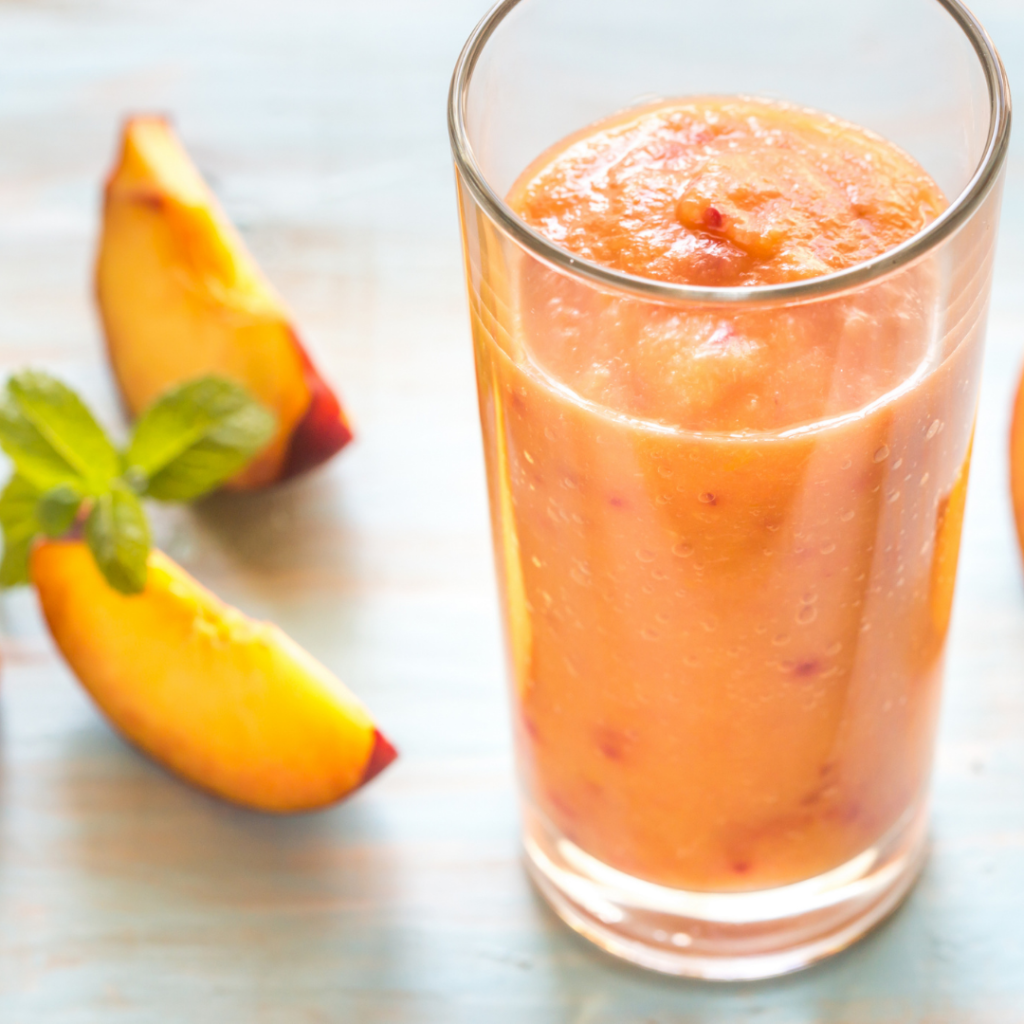
Using frozen apricots in your smoothies is as simple as reaching into your freezer, grabbing a handful of the delicious frozen fruit, and adding it to your blender. The beauteous thing about using frozen apricots is that they serve two purposes: they add fantastic flavor and also act as natural ice cubes, chilling your smoothie without watering it down. This method preserves the full, vibrant taste of the apricots while also providing an appealing frosty texture to your drink.
To use frozen apricots in your smoothies, follow these steps:
- Measure: Depending on your taste preference, a general guideline is to use about one cup of frozen apricots for a single serving smoothie.
- Combine: Add the frozen apricots to your blender, followed by your choice of liquid (like almond milk, coconut water, or yogurt) and any other fruits or vegetables you desire.
- Blend: Blend until smooth. If your smoothie is too thick, add more of your chosen liquid and blend again. If it’s too thin, add a few more frozen apricots.
- Serve: Once you’ve achieved your desired consistency, pour the smoothie into a glass and serve immediately.
Tips and Tricks for the Best Frozen Apricots
Here are a few tips and tricks to ensure you get the best out of your frozen apricots:
- Choose High-Quality Apricots: For the best taste and texture in your smoothies, always freeze ripe, high-quality apricots. Look for apricots that are brightly colored, firm yet yielding to gentle pressure, and without any spots or bruises.
- Wash Thoroughly: Before you begin the freezing process, make sure your apricots are thoroughly cleaned. Any residues left on the fruit can affect the taste and quality of your frozen apricots.
- Cut Uniformly: When preparing apricots for freezing, try to cut them into uniform pieces. This will ensure they freeze and defrost at the same rate, providing consistent texture in your smoothies.
- Quick Freezing: The faster the apricots freeze, the better their texture will be once defrosted. Avoid overloading your freezer and keep space between the apricots when you place them on the tray for initial freezing.
- Regular Check: It’s good practice to check your freezer’s temperature regularly. Maintaining a consistent freezing temperature will help preserve the quality of your fruits.
By following these tips, your frozen apricots will not only taste amazing but also maintain their nutritional value, providing a healthy and delicious addition to your smoothies.
Conclusion
Freezing apricots can provide you with a year-round supply of this delicious and nutritious fruit, ready to be used in your favorite smoothie recipes. Regardless of the method you choose, remember to always use fresh, high-quality apricots, and try to freeze them as quickly as possible to preserve their flavor and texture. With a supply of frozen apricots on hand, you can enjoy the sweet taste of summer anytime you like. Remember, the key to a great smoothie isn’t just the ingredients you use, but also the love and care you put into the preparation. Happy blending!


