Comparing Delights: Smoothie vs. Milkshake – Which is the Better Choice?
The eternal debate between smoothie lovers and milkshake enthusiasts has been ongoing for quite some time. Both beverages offer a refreshing, creamy, and delicious experience, but the question remains: which one is the better choice?
As an Amazon Associate, I earn from qualifying purchases and sometimes recommend products from other sellers at no extra cost to you. For more details see my disclosure policy and privacy policy.
Is it the healthy and nutrient-packed smoothie, often brimming with fruits, vegetables, and sometimes even protein powder? Or is it the indulgent and dessert-like milkshake, typically loaded with ice cream, milk, and a variety of sweet flavors? In this article, we will delve into the differences, pros, and cons of each, helping you make an informed decision about your next delightful drink.
What is a Smoothie?
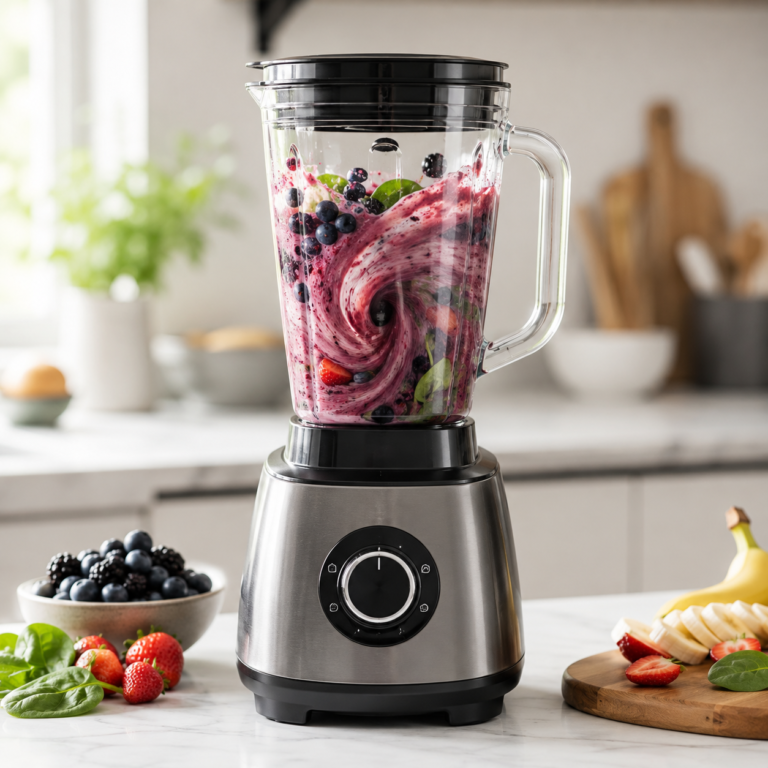
A smoothie is a thick, nutrient-rich beverage that is generally made by blending raw fruits, vegetables, and often, a liquid such as water, milk, or yogurt. Some people also prefer to add other ingredients like nuts, seeds, protein powders, or sweeteners for added nutrition or taste. The ingredients are typically blended until smooth, resulting in a drink that is both satisfying and easy to consume, even on the go.

From a health perspective, smoothies can be highly beneficial. They are an excellent way to consume a variety of fruits and vegetables in a single serving, providing a wealth of vitamins, minerals, fiber, and antioxidants. Furthermore, because the fiber in the fruits and vegetables remains intact in a smoothie, it can help you feel full and satisfied, which may aid in weight management. Smoothies can also be customized to suit dietary needs or preferences, making them a versatile choice for many people.
What is a Milkshake?
A milkshake is a rich, creamy beverage that is traditionally made by blending milk with ice cream and often, a flavoring such as chocolate, vanilla, or strawberry. Some variations may also include additional ingredients like cookies, candy, or fresh fruits for added flavor and texture. The ingredients are blended until smooth, and the result is a thick, indulgent drink that is typically served with a straw and often, a generous topping of whipped cream.

On the health front, milkshakes are generally considered more of a dessert or treat rather than a nutritious drink. They are often high in calories, sugar, and fat, largely due to the use of ice cream and sometimes, additional sweeteners.
While milkshakes can provide some nutrients such as calcium and protein (from the milk and ice cream), they are not typically rich in vitamins or minerals. It’s also worth noting that because of their high sugar content, frequent consumption of milkshakes could potentially contribute to health issues such as obesity or type 2 diabetes. Therefore, while delicious, milkshakes might be better enjoyed in moderation or as an occasional treat.
Comparing Smoothies and Milkshakes
Caloric Content
When comparing the caloric content of smoothies and milkshakes, milshake usually have a higher caloric count due to the high-fat dairy and added sweeteners used in their preparation. A typical milkshake can contain anywhere from 300 to 800 calories, depending on size and ingredients.
On the other hand, the caloric content of a smoothie can vary significantly depending on the ingredients used. A fruit and vegetable smoothie with no added sweeteners may contain as few as 100-150 calories, while a larger smoothie with added protein powder, sweeteners, or nut butter could contain 300-500 calories.

Nutritional Value
Nutritionally, smoothies typically offer a higher amount of vitamins, minerals, and fiber, especially when made with a variety of fruits, vegetables, and other nutrient-dense ingredients like chia seeds or flaxseeds. Milkshakes, while high in calcium and sometimes protein, often lack the varied nutrient profile of smoothies.
Dietary Considerations
From a dietary perspective, smoothies are generally the more flexible option. They can be easily adjusted to fit various dietary restrictions or preferences, such as vegan, gluten-free, or low-sugar diets. Smoothies also often serve as a meal replacement, especially when ingredients like protein powder, oats, or avocado are added to boost satiety.
Milkshakes, on the other hand, are usually seen as a dessert or indulgence and might not be suitable for those following strict dietary guidelines due to their high sugar and fat content. However, with careful modifications like using low-fat dairy or dairy alternatives, and opting for natural sweeteners, milkshakes can be occasionally enjoyed even with dietary restrictions.
Popularity and Preferences
Popularity and Preferences
Smoothies and milkshakes both hold a strong presence in the beverage market, but their popularity can vary depending on factors such as health consciousness, dietary preferences or restrictions, and personal taste. For health-conscious individuals or those seeking a meal replacement, smoothies often take the lead due to their versatility and high nutrient content. Conversely, milkshakes are the go-to choice for those seeking an indulgent treat or dessert-like experience.

Consumer Trends
Over time, consumer trends have shown a growing inclination towards healthier, nutrient-dense options. This shift has contributed to the rising popularity of smoothies, particularly among fitness enthusiasts, health-conscious individuals, and those following specific dietary regimens. However, the love for classic, creamy milkshakes remains steady, especially among dessert lovers and those who prefer comfort over calorie count.
Seasonal Variations in Consumption
When considering seasonal variations, the consumption patterns of both smoothies and milkshakes tend to fluctuate. For instance, smoothies, often associated with fresh produce, may see a surge in popularity during the warmer months when fruits and vegetables are at their peak freshness and availability.
On the other hand, milkshakes, with their cold, creamy and comforting qualities, often become the beverage of choice during the hot summer months, providing a refreshing respite from the heat. However, these are general trends and individual preferences can vary greatly.
Conclusion
In conclusion, both smoothies and milkshakes have their unique appeal and place in our diets. Smoothies, with their high nutrient content and flexibility, are an excellent choice for those seeking a healthy meal replacement or a nutrient-packed snack. On the other hand, milkshakes serve as a delightful indulgence, offering a rich, creamy, dessert-like experience.
The choice between a smoothie and a milkshake often comes down to personal preference, dietary needs, and health goals. While it’s perfectly fine to enjoy a milkshake as an occasional treat, a daily smoothie might better serve individuals aiming for a balanced and nutritious diet.